
From 4–8 May, the Estonian University of Life Sciences hosted an international training event on university sustainability titled “Sustainability in Action.” Throughout the week, participants explored the university’s own sustainability initiatives while also sharing experiences from their home institutions.
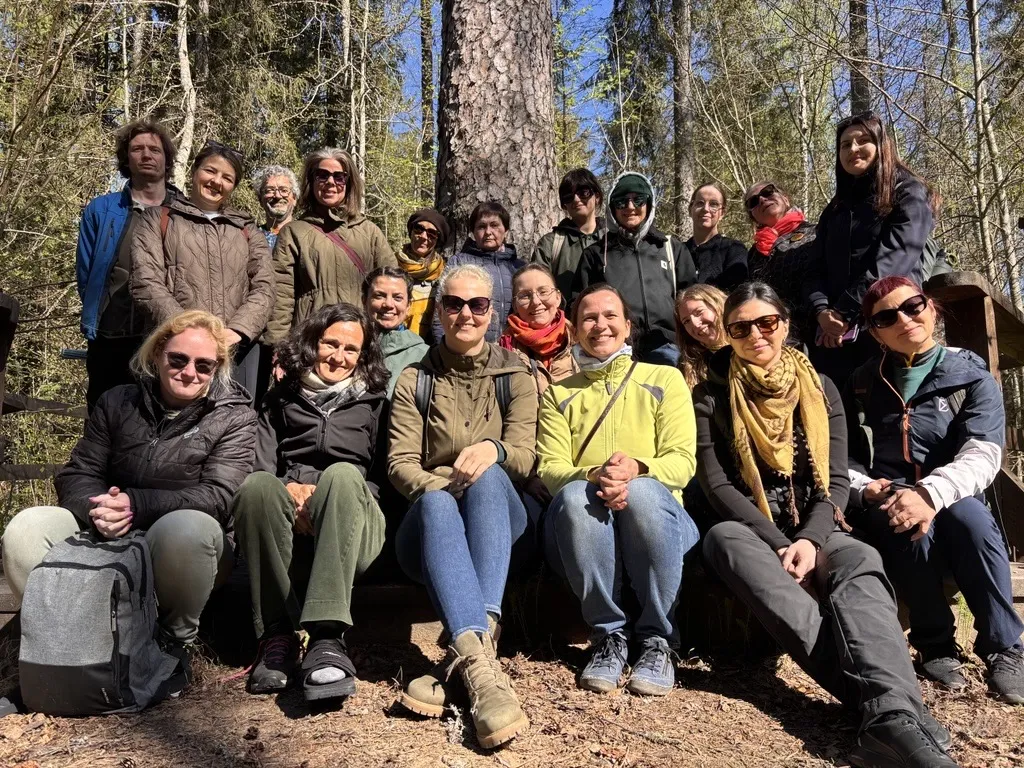
According to Diana Rimm, Head Specialist of Doctoral Studies at the Estonian University of Life Sciences and the lead organiser of the training week, one of the main goals of the event was the exchange of experiences. Nearly 20 participants attended, all of whom are involved in sustainability in one way or another in their daily work, including academic staff, sustainability specialists, communication professionals, and others.
Discussions highlighted that universities across Europe face similar challenges and successes when implementing sustainability. It was noted that overly vague or superficial calls for change are unlikely to inspire meaningful action within university communities. However, one effective way to drive change is to involve more students.
The programme of the training week included lectures, workshops, laboratory visits, and study tours across the university’s academic buildings, campus, experimental facilities, and the city of Tartu. Researchers from the university introduced their sustainability-related fields of study, while organisers shared initiatives carried out under the Green University framework, both in encouraging behavioural change within the university community and in developing the campus environment.
Particularly inspiring were the activities of Rohemu, the university’s student residence and hostel. Their approach emphasises that everything begins with staff wellbeing and motivation, which in turn ensures successful teamwork. In addition to accommodation, Rohemu offers its residents a sense of community and shared activities, transforming a traditional dormitory into a place where people genuinely want to come and stay. All these activities are closely integrated with sustainability principles.
Participants also found it insightful to learn about Tartu as a green destination in tourism, to hear about local food-sharing initiatives, and—during a field trip—to visit the university’s teaching and experimental forest district in Järvselja, explore the connections between Estonian culture and natural heritage in the Meenikunno bog, and learn from the experiences of a small South Estonian producer, Uue-Saaluse Winery.
The organisation of the training week was supported by the Erasmus+ programme.
Editor:

Head of the Department of Marketing and Communication
Rector's Area of Responsibility
Department of Marketing and Communication
+372 7313044
+372 731304453315313
53315313More information:

Chief Specialist of Doctoral Studies
Vice Rector for Academic Affairs’ area of responsibility
Department of Academic Affairs
+372 7313071
+372 731307157503009
57503009